The Evolution and Significance of Badges in Professional Sectors
Badges, including pin badges, police badges, military badges, and army badges, have long served as symbols of authority, identification, and service across various sectors. These emblems not only signify membership or rank but also convey a sense of pride and responsibility. In this article, we will delve into the unique characteristics of these badges, their applications, and the materials and production processes involved in creating them, all while emphasizing their importance in the professional landscape.
Understanding the Different Types of Badges
Badges can be categorized into several types, each serving distinct functions in their respective fields. Let’s explore some of the most prevalent types of badges:
1. Pin Badges
Pin badges are versatile and can be used in various settings, from corporate environments to promotional events. Made typically from metal or plastic, these badges can be customized with logos, emblems, or messages to represent a brand or organization. The production process usually involves die casting, stamping, or printing, ensuring durability and quality. Pin badges are often used for employee recognition, event participation, and charity awareness, making them an effective marketing tool.
2. Police Badges
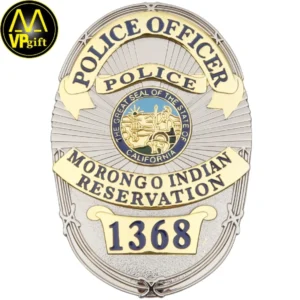
Police badges are emblematic of law enforcement authority and are essential for identification purposes. Typically crafted from high-quality metal, these badges feature intricate designs, including the name of the police department, the officer’s rank, and sometimes even state seals. The production of police badges often involves advanced techniques such as electroforming, which ensures that the badges are both durable and resistant to wear. These badges instill trust within the community and serve as a constant reminder of the officer’s commitment to public safety.
3. Military Badges
Military badges symbolize the achievements and ranks of service members. They often denote special skills, training, or accomplishments within the armed forces. Made from robust materials like brass, zinc, or aluminum, these badges are designed to withstand harsh conditions, reflecting the resilience of military personnel. The manufacturing process may include die struck methods for precision and attention to detail. Military badges foster camaraderie and pride among service members, reinforcing their dedication to their country.
4. Army Badges
Army badges are a subset of military badges, specifically representing various roles and achievements within the army. These badges can indicate proficiency in different areas, such as marksmanship, leadership, or specialized training. The materials used for army badges are often chosen for their strength and longevity, ensuring they can endure the rigors of military life. The design and production process emphasizes clarity and recognition, enabling quick identification in active duty scenarios.
Key Features and Benefits of Badges
Badges come with a plethora of features that enhance their functionality and appeal. Here are some key attributes that set them apart:
1. Customization
One of the most significant advantages of badges is their customizability. Organizations can choose colors, shapes, and designs that resonate with their brand or mission, ensuring the badge serves as a true representation of their identity.
2. Durability
Badges are typically made from materials that offer longevity and resistance to environmental factors. Metals like brass and stainless steel are often used for police and military badges, while pin badges can be produced with durable plastics or coated metals to ensure they remain intact over time.
3. Recognition and Identification
Badges play a crucial role in recognition and identification. They enable quick recognition of authority figures, such as police officers or military personnel, fostering trust and safety in public interactions. In corporate environments, badges can signify employee roles, promoting a sense of belonging and teamwork.
Applications of Badges in Various Sectors
Badges are utilized in a wide array of sectors, each with unique requirements and expectations. Understanding these applications can help businesses make informed purchasing decisions.
1. Law Enforcement
In law enforcement, badges are not just identifiers; they embody the law and the protection it offers to society. The design and material must reflect the seriousness of the profession. Moreover, badges are often accompanied by specific protocols regarding wear and visibility, ensuring they serve their purpose effectively.
2. Military
For military personnel, badges signify rank and achievements, fostering unity and a sense of purpose. They are often worn during ceremonies and parades, representing the valor and dedication of service members. The production of military badges must adhere to strict guidelines to ensure they meet the standards set by military regulations.
3. Corporate Sector
In the corporate world, badges are commonly used for employee identification and access control. Companies often invest in high-quality badges that reflect their brand identity while ensuring functionality. Employee badges can also include security features, such as barcodes or RFID chips, enhancing workplace safety.
4. Events and Promotions
At conferences and trade shows, badges are essential for participant identification and networking. Custom-designed pin badges can serve as memorabilia, helping attendees remember the event and fostering connections among professionals.
Future Trends in Badge Production
As technology advances, so does the production and functionality of badges. Here are some emerging trends in the badge industry:
1. Sustainable Materials
With an increasing focus on sustainability, manufacturers are exploring eco-friendly materials for badge production. Biodegradable plastics and recycled metals are becoming popular choices, aligning with global efforts to reduce environmental impact.
2. Smart Badges
Integration of technology into badges is on the rise, with smart badges featuring NFC (Near Field Communication) capabilities. These badges allow for easy data sharing and can be used for secure access, streamlining operations in various sectors.
3. Enhanced Security Features
The demand for enhanced security features in badges is growing, particularly in sensitive environments such as government or military facilities. Advanced printing techniques and unique identifiers will continue to play a crucial role in badge security.
Conclusion
Badges, including pin badges, police badges, military badges, and army badges, are more than just decorative items; they hold significant meaning and purpose across various industries. Understanding the technical features, materials, and production processes involved in badge creation can help international B2B buyers make informed decisions when sourcing these essential items. As trends evolve towards sustainability and technology integration, the future of badges looks promising, continuing to serve as symbols of authority, identity, and commitment in the professional world.