How Much Do Custom Medals Cost? Understanding Pricing Factors and Value
In the world of awards and recognition, custom medals serve as a significant symbol of achievement and excellence. Whether for sports events, corporate awards, academic achievements, or community recognition, these medals are cherished tokens that celebrate accomplishments. However, many B2B buyers often wonder, “How much do custom medals cost?” This article delves into the various factors influencing the pricing of custom medals, ensuring that organizations can make informed purchasing decisions.
The Basics of Custom Medal Pricing
Custom medals can range in price based on several key factors. These include the materials used, design complexity, quantity ordered, and additional features such as engraving or special finishes. Understanding these elements will help buyers navigate the pricing landscape effectively.
Material Matters
The material used in the production of custom medals plays a pivotal role in determining their cost. Common materials include:
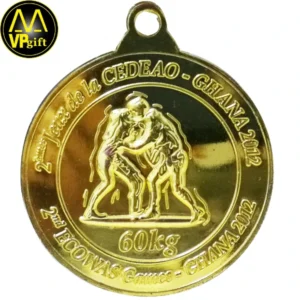
- Brass: Known for its durability and classic appeal, brass medals are often plated with gold, silver, or bronze for a prestigious look. They are a popular choice for high-quality awards, reflecting a balance of cost and aesthetic value.
- Stainless Steel: For a modern and sleek appearance, stainless steel is a favorite. It offers excellent corrosion resistance and can be polished to a brilliant shine, making it ideal for corporate awards.
- Zinc Alloy: Often used for more budget-friendly options, zinc alloy medals can be easily molded into intricate designs and are lightweight. While they may lack the prestige of metals like brass, they can still be visually appealing.
- Plastic: For events with tight budgets, plastic medals can be a cost-effective solution. While they may not convey the same level of prestige, they can be customized in various colors and designs.
Design Complexity
The complexity of the medal design significantly impacts the overall cost. Simple designs with minimal engraving will typically be less expensive than intricate, multi-layered medals that require advanced manufacturing techniques. Custom shapes, embossed logos, and detailed artwork can add to the production time and cost. Engaging a skilled designer to create a unique and meaningful medal can also influence the budget. It’s essential for buyers to balance their desire for a unique design with their budget constraints.
Quantity and Bulk Ordering
When it comes to custom medals, quantity plays a significant role in pricing. Most manufacturers offer tiered pricing structures, which means that the unit price decreases as the order quantity increases. This bulk ordering approach is advantageous for organizations looking to reward a large number of participants, such as in sports tournaments or corporate events. For example, ordering 100 medals may significantly reduce the cost per medal compared to ordering just 10. Buyers should evaluate their needs and consider whether they can benefit from bulk pricing to optimize their budget.
Additional Features and Customization
Beyond the basic medal design, various additional features can enhance the product but also increase the cost. Some popular options include:
- Engraving: Personalizing medals with names, dates, or special messages adds a sentimental value but can increase the overall price. Engraving costs vary based on the complexity and number of characters.
- Ribbons: Custom ribbons are often included with medals, but premium materials or unique designs can elevate the cost. Consideration should be given to the type of ribbon and its attachment method.
- Packaging: Presentation is key when it comes to awards. Special packaging, such as custom boxes or display cases, can enhance the overall presentation but will add to the total cost.
Production Processes
The production process for custom medals can also influence pricing. There are several manufacturing methods, including:
- Die-Casting: This method involves pouring molten metal into a mold, allowing for high detail and durability. While die-casting can be more expensive, it is ideal for larger orders due to its efficiency.
- Stamping: Stamping is a cost-effective method suitable for simpler designs. It involves pressing a metal sheet to create the medal shape and details, making it a popular choice for bulk orders.
- 3D Printing: Emerging technologies like 3D printing allow for unique and complex designs but may be more suitable for smaller runs due to the higher cost per unit.
Market Trends and Considerations
As the demand for custom medals continues to grow, several market trends are shaping the industry. Sustainability is becoming increasingly important, prompting buyers to consider eco-friendly materials and production processes. Many manufacturers are now offering medals made from recycled materials or those that minimize waste during production. Additionally, personalization trends, such as incorporating QR codes or augmented reality features, are gaining traction, allowing organizations to create medals that resonate more with recipients.
Conclusion: Making an Informed Decision
When considering the question, “How much do custom medals cost?” it is essential for B2B buyers to evaluate all influencing factors, including material choice, design complexity, quantity, and additional features. By understanding these elements, organizations can make informed decisions that align with their budget and recognition goals. Investing in custom medals not only acknowledges achievements but also fosters a sense of pride and motivation among recipients, making them a valuable component of any awards program.